
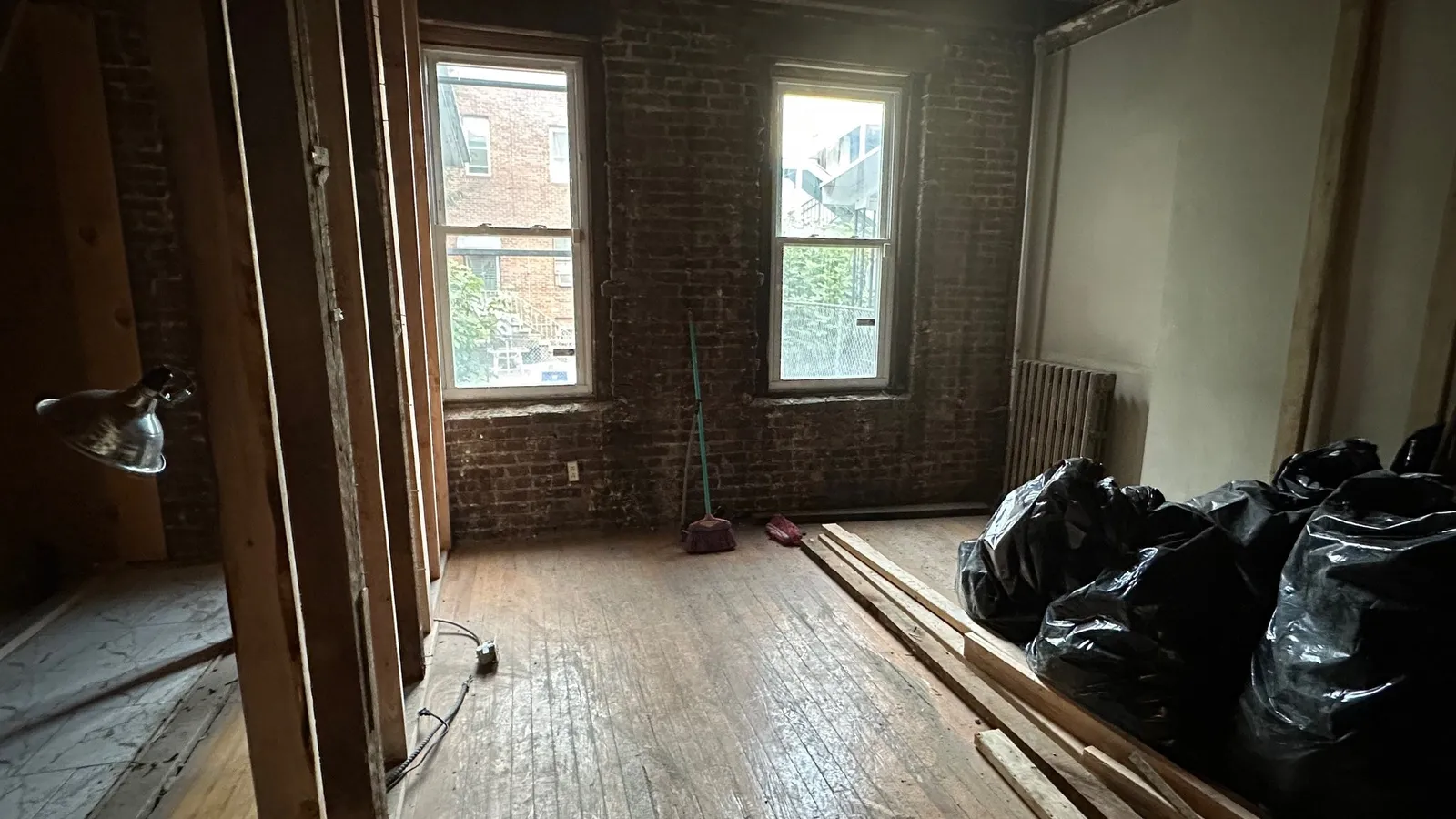
Halloween is a good time for scary stories. But in home renovation, the scariest ones aren't about creaking floors or flickering lights. They're about the contractor who stops answering the phone, the permit nobody pulled, and the thing hiding behind the old plaster.
We're a general contractor working in Hoboken, Jersey City, Union City, Hackensack and towns across North Jersey. None of what follows is about our clients or our jobs. These are common risks that homeowners across New Jersey run into, and every one of them can be avoided with a little planning. Grab a flashlight. Here's what lurks in the dark.
1. The contractor who vanished
It's the classic tale: a deposit is paid, a little demo happens, and then the crew is gone. Homeowners sometimes find out only afterward that the "contractor" was never registered with the state.
How to avoid it: In New Jersey, home improvement contractors must register with the Division of Consumer Affairs under the Contractors' Registration Act. Registration numbers begin with 13VH, and the number has to appear on contracts, estimates and advertising. To register, a contractor must carry commercial general liability insurance (at least $500,000 per occurrence under the state's rules). Before you pay anything:
- Ask for the 13VH number and look it up on the Division of Consumer Affairs license verification site (choose Business Search). The status should read Active, and the business name should match your contract.
- Ask for a certificate of insurance and confirm the policy is current.
We cover this step by step in our guide to choosing a licensed general contractor. The advice applies anywhere in New Jersey, not just North Bergen.
2. The handshake deal that came back to haunt you
No written contract means nobody agrees on what was promised. What was "included"? When does the job end? What happens if something changes?
How to avoid it: New Jersey requires a written contract for home improvement work over $500. The contract has to cover the work, the materials, the start and completion dates, the total price and the contractor's registration number. You also generally have three business days after signing to cancel. Get every change in writing too. A signed change order beats a remembered conversation every time.
3. The permit that was never pulled
Skipping permits can look like a way to save time. Then the problem shows up later: during a home sale, when an insurer asks questions, or when an inspector finds work that has to be opened back up.
How to avoid it: New Jersey's Uniform Construction Code (N.J.A.C. 5:23) requires construction permits for most structural, plumbing, electrical and mechanical work. Only a short list of jobs counts as "ordinary maintenance" and is exempt, such as painting, most flooring and like-for-like fixture swaps. Inspections happen at set stages, including before walls are closed. If a contractor says "we don't need a permit for this," ask them to show you why. Our post Do I Need a Permit for My Renovation in New Jersey? goes through what usually needs one.
4. What's lurking behind the walls: hidden water damage and mold
Older New Jersey homes have been through decades of leaks: worn roofs, old supply lines, failed shower pans, basement seepage. Homeowners sometimes find rotted subfloor, stained framing or mold once the tile or drywall comes off. Water you can't see is still doing damage.
How to avoid it:
- Expect the unknown. Build a contingency into your budget and schedule so a surprise doesn't stall the project.
- Find the source first. Covering wet or moldy materials with new finishes just hides the problem. The leak has to be fixed, damaged materials removed, and everything dried out before anything gets closed back up.
- Ask your contractor how they handle discoveries. Who documents them? How are you told? How is extra work priced and approved? (In writing, see #2.)
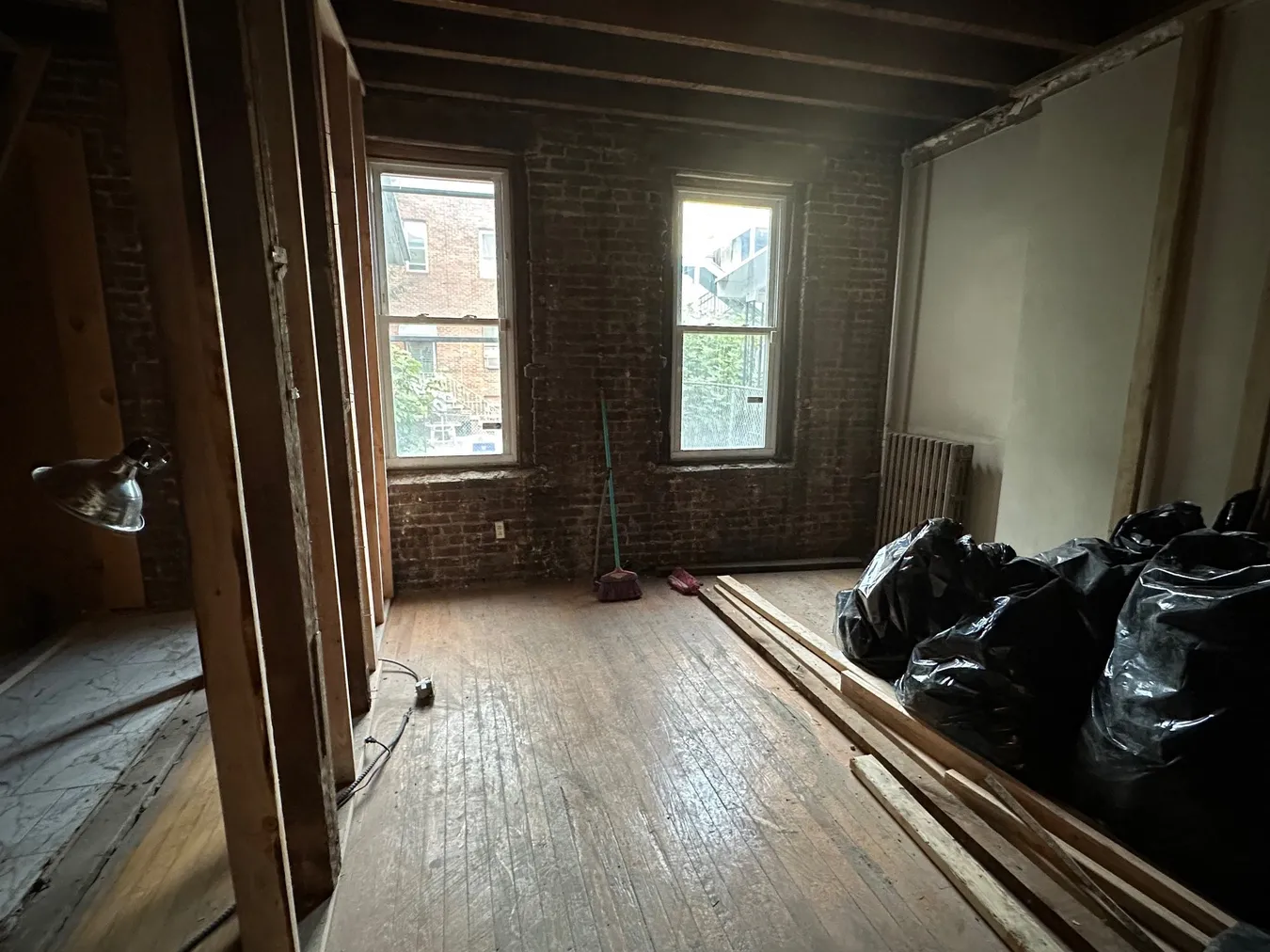
5. The ghost in the old paint: lead
If your home was built before 1978, there's a real chance it has lead-based paint somewhere under the newer coats. Sanding, scraping or demolishing it can spread lead dust, which is especially dangerous for young children and pregnant women.
How to avoid it: The EPA's Renovation, Repair and Painting (RRP) Rule covers paid work that disturbs paint in pre-1978 homes. It requires a certified firm, lead-safe work practices and cleaning verification when the work disturbs more than 6 square feet inside or 20 square feet outside. Window replacement and demolition are always covered, whatever the size. Before work starts, you should receive the EPA's Renovate Right pamphlet. Some methods, like open-flame burning and high-speed sanding without HEPA dust collection, are prohibited. Read more in our guide to lead paint and renovating an older New Jersey home.
6. The floor that wasn't there: surprise structural issues
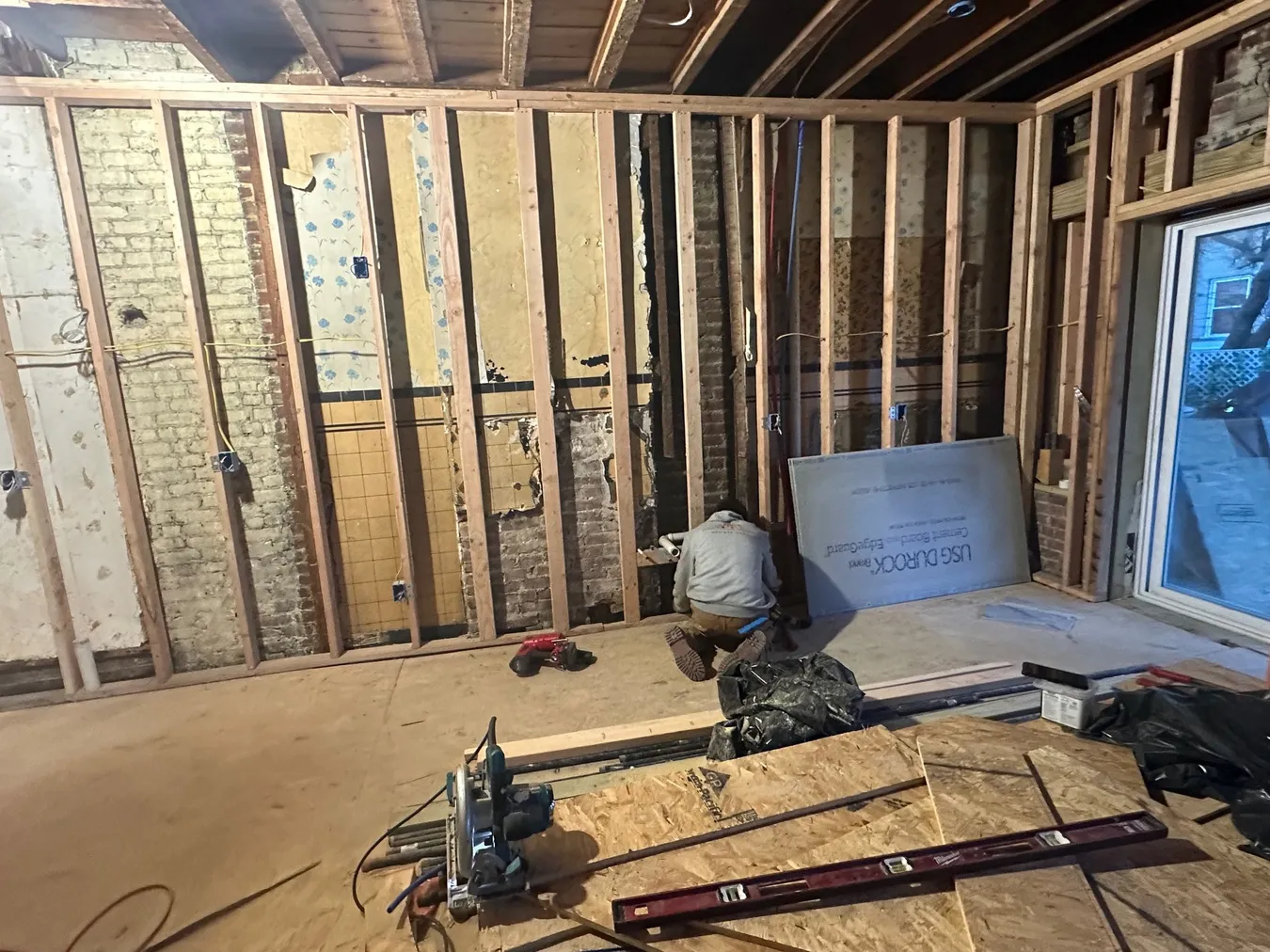
Open up an old wall or ceiling and you may find joists that were notched for long-gone pipes, a bearing wall someone removed decades ago, or framing that sagged over time. Homeowners sometimes find these issues only after demolition, when plans built around "just take that wall out" suddenly need to change.
How to avoid it:
- Never remove a wall until someone qualified has confirmed whether it's load-bearing. Structural changes need a permit and often drawings from a licensed architect or engineer.
- Use demolition as an inspection stage. Once framing is exposed, look closely before anything new goes in.
- Keep room in the schedule. Fixing a structural problem the right way takes longer than covering it up, and it's the only fix that lasts.
The happy ending
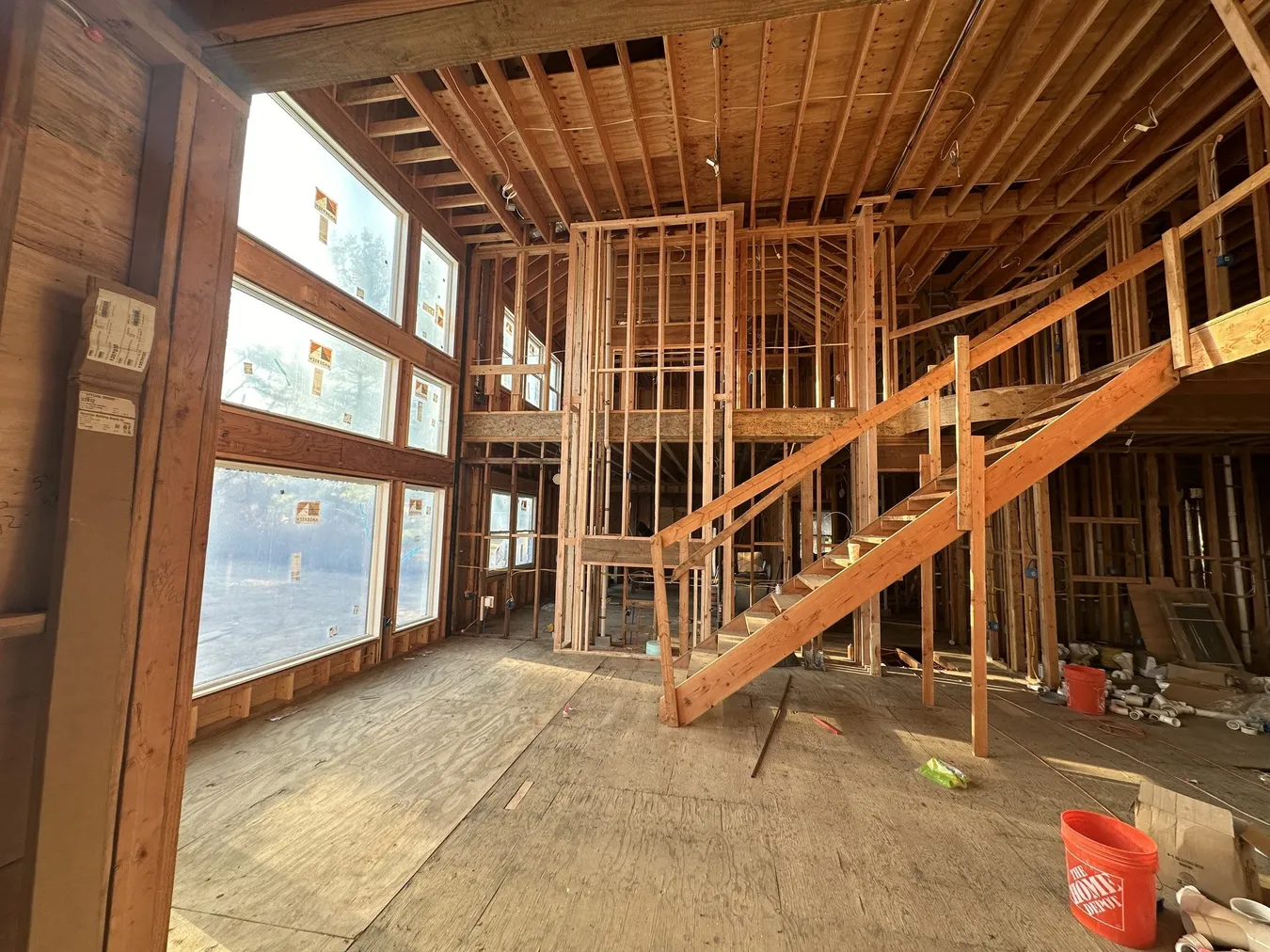
Every good horror story has a survivor who did things right. In renovation, that means:
- A registered contractor (13VH number, verified) with current insurance
- A detailed written contract and written change orders
- Permits pulled and inspections passed
- A contingency for whatever hides behind the walls
- Lead-safe practices in any pre-1978 home
- Structure checked before walls come down or close up
Do those things and the only scary part of your renovation will be choosing the paint color.
Ready to start a renovation without the scares?
Call us at (201) 815-4260 for a free estimate, or visit hobokengc.com. We'll walk through your home with you, point out risks before they turn into surprises, and give you a clear written plan before work begins.