
Hoboken is full of 19th-century brownstones and brick row houses, and renovating one is a different job from remodeling a newer house on a larger lot. As a Hoboken contractor, the first questions we ask aren't about tile or cabinet doors. They're whether the building sits in a historic district, what the city will review on the facade and stoop, and whether the garden level is in a flood zone.
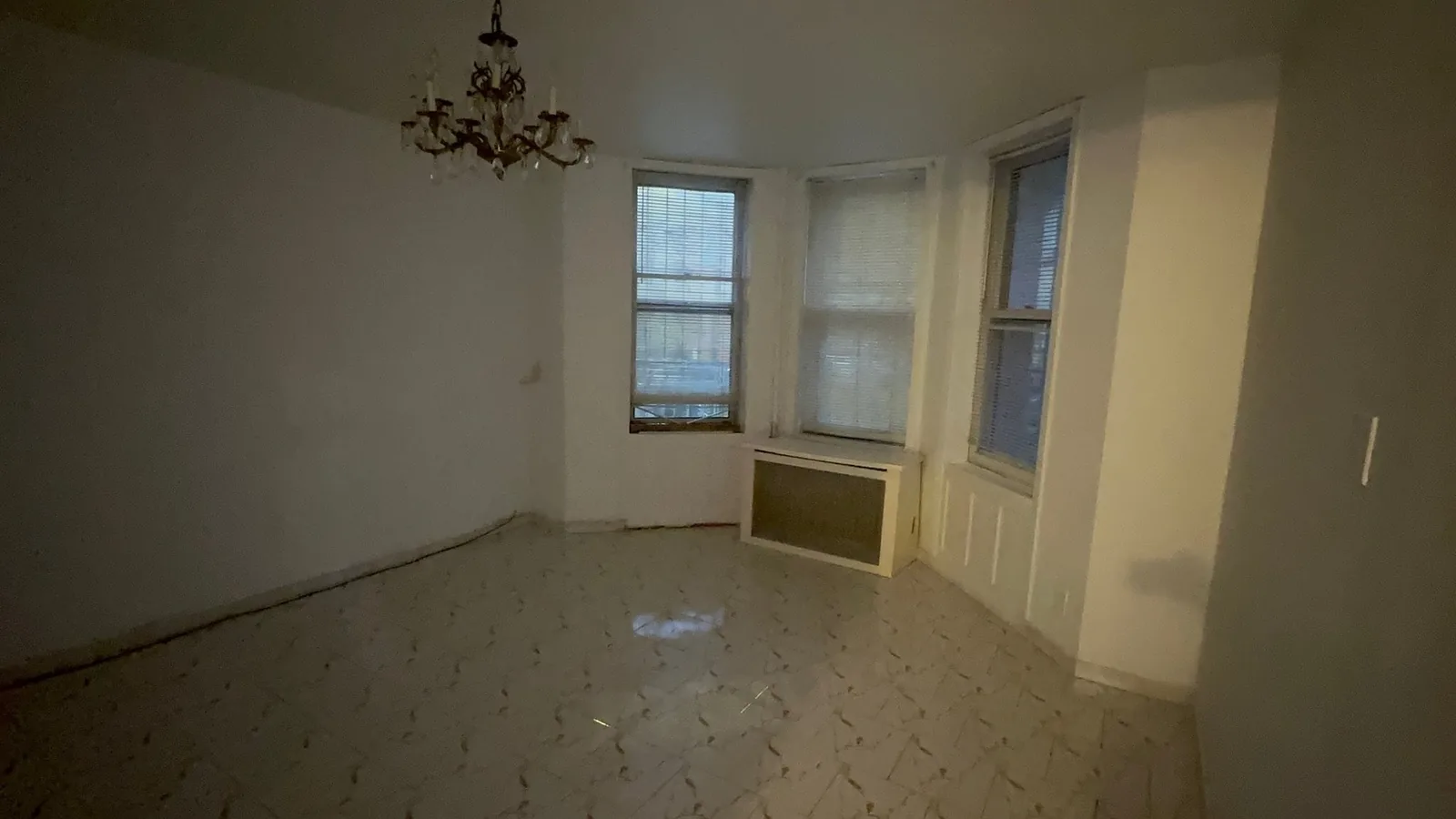
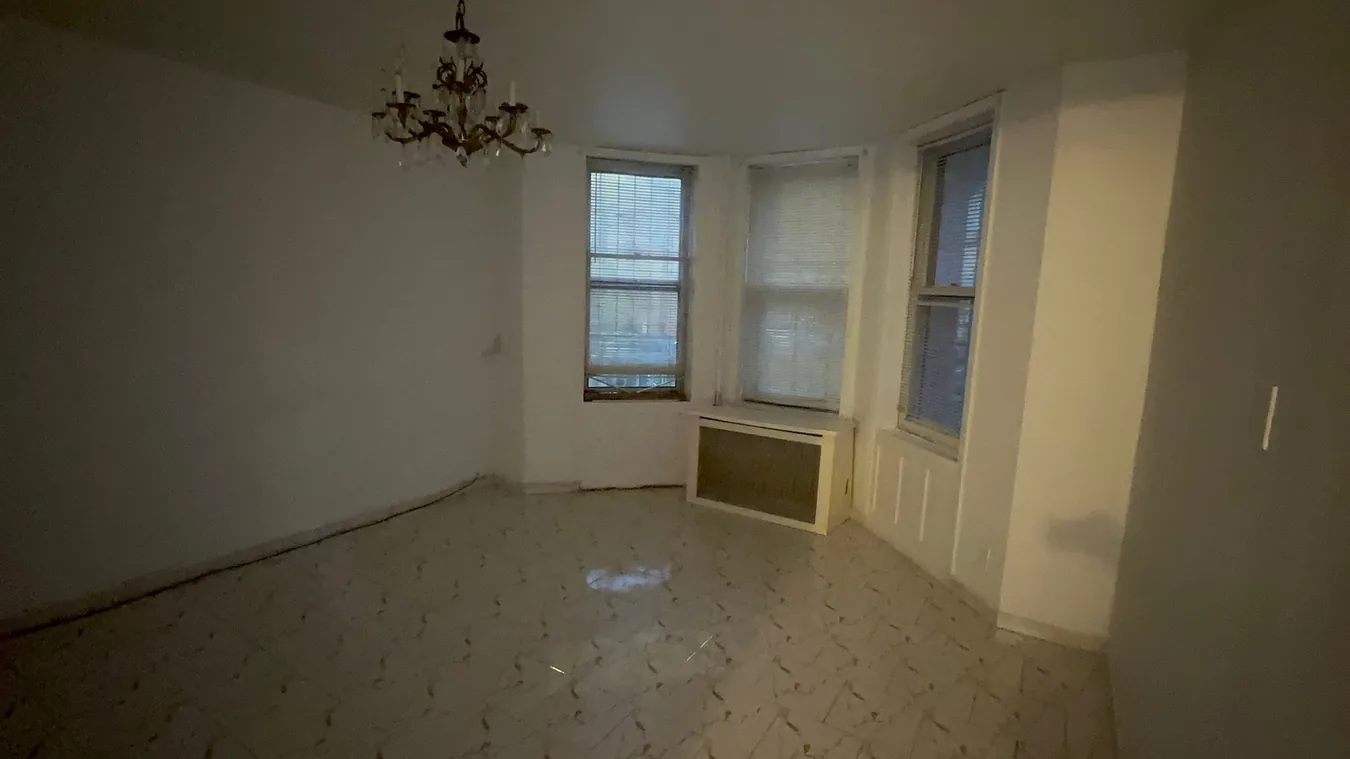
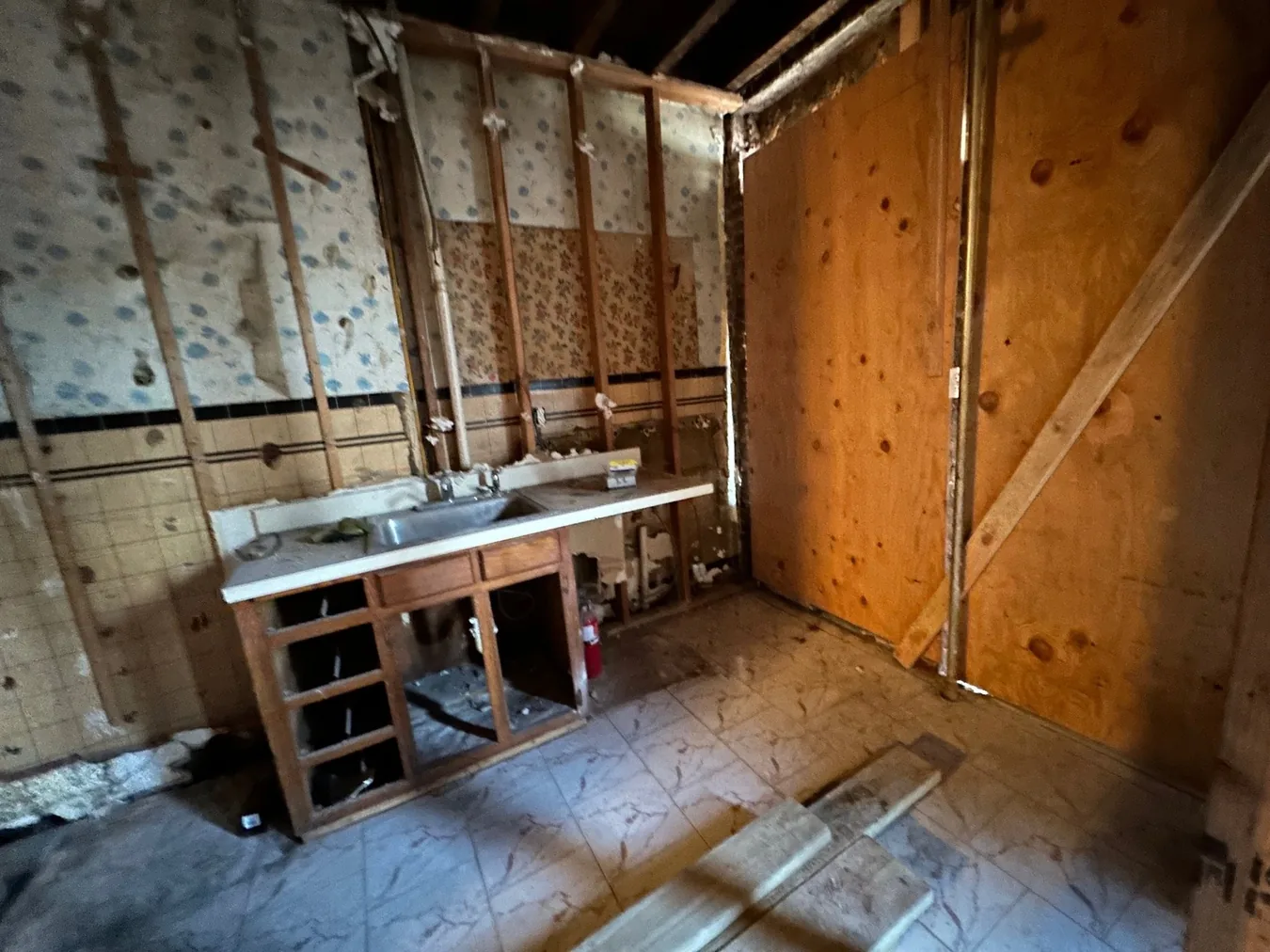
Here's what we check before demolition starts, based on the City of Hoboken's historic preservation ordinance, its Historic Preservation Commission and Zoning Office pages, and the New Jersey Uniform Construction Code. The photos in this post are from a real Union City gut renovation, captioned with that town. We don't have photos of a finished Hoboken brownstone to show here.
First, find out if you're in a historic district
Hoboken has three local historic overlay districts: the Hoboken Terminal–Washington Street Historic Overlay District (H1-O), the Residential Washington–Hudson Historic Overlay District (H2-O) and the Castle Point Historic Overlay District (H3-O) (Hoboken Code Ch. 42, § 42-18). The city also designates individual landmarks.
Not every brownstone is inside a district. The city's Historic District Map, which the ordinance says should be posted in the Construction and Zoning offices and available from the city, is the way to check your property. If you're in a district, or the building is a landmark, Historic Preservation Commission review applies.
The Commission reviews exterior additions, renovations and alterations that are visible to the public on buildings in those districts, and on all locally designated landmarks (Hoboken Historic Preservation Commission).
What needs a Certificate of Appropriateness or a Certificate of No Effect
Under § 42-9, the city will not issue a building permit, demolition permit or certificate of zoning compliance for work that affects an exterior feature visible from the public right-of-way until the Commission has issued one of two certificates:
- Certificate of Appropriateness. Used for the erection, alteration, restoration or demolition of buildings and structures in the districts and on designated landmarks. The Commission applies the Secretary of the Interior's Standards for the Treatment of Historic Properties, along with the style and character of nearby buildings.
- Certificate of No Effect. Used for minor repairs or in-kind restoration of exterior elements that will have no visual, structural or historical impact on the building.
The ordinance lists the kinds of exterior features this covers: facades, lintels, sills and cornices, stoops, ironwork, paint, storefronts, windows, and signage, among others.
That last part surprises people. Hoboken's Zoning Office says a zoning permit is required for any modification, including repairs, of a building's exterior in the historic district, even painting and window replacement, and that a zoning permit may be required even when a building permit is not (Hoboken Zoning Office).
Applications have to be in at least 10 business days before the Commission's review date (§ 42-10). The city uses separate application forms for repairs, restoration, signs and awnings, and for demolition, construction or substantial alteration. We'd rather have that paperwork in motion early than redesign a stoop or a window after the interior plans are already drawn.
Facades, stoops, windows and rear additions
The front of a Hoboken brownstone is usually the most regulated part of the job. Stoop repair, brownstone or brick patching, new windows or a painted cornice can all land on the Commission's list because they're visible from the street. For the construction side of brick, stone and veneer work, see our masonry guide and our masonry service page.
If you're thinking about a rear addition or a change to the building's height, bulk or facade, that work is also subject to Commission review (§ 42-28). For how we plan additions in Hoboken and the rest of North Jersey, see Home Additions in North Jersey and our additions page.
The city also publishes Historic Design Guidelines for work in the districts. We follow those together with the ordinance. We don't treat them as a shortcut around Commission review.
Inside the walls, and below the stoop
Historic approval is only half the job. Interior work still needs a construction permit when the Uniform Construction Code requires one. If you're not sure, start with Do I Need a Permit for My Renovation in New Jersey?.
On older attached houses we also plan for:
- Party walls. Row houses share walls with the neighbors. We don't open or alter a shared wall until it's clear what's structural, and we plan fire and noise details carefully.
- Old framing, wiring and plumbing. New circuits, moved fixtures and new gas lines all need permits and inspections.
- Lead paint. Homes built before 1978 should be treated as having lead paint until tested. Our lead paint guide covers the lead-safe work rules. (We do not claim EPA RRP certification.)
- Flood rules on the lower floors. Much of Hoboken sits in a regulated flood zone, and garden-level or basement work can trigger a floodplain permit and the 50% substantial-improvement rule. See Renovating in a Hoboken Flood Zone and our FEMA 50% rule guide.
If the building is a condo or co-op, the board will also have its own alteration agreement and insurance requirements, on top of the city's reviews.
Working with a Hoboken contractor
Hoboken GC LLC is a licensed and insured general contractor (NJ Home Improvement Contractor #13VH13409900) serving Hoboken, Jersey City and all of North Jersey. We also work as a general contractor in Union City, Hackensack and Lake Hiawatha and Parsippany. See more of our work on our projects page. If you already have drawings, you can upload plans for a ballpark estimate; the final number comes after a site visit.
Planning work on a Hoboken brownstone or row house? Call (201) 815-4260 or visit hobokengc.com to set up a site visit.
Official resources
- Hoboken Code Chapter 42, § 42-18 — historic overlay districts
- Hoboken Code Chapter 42, § 42-9 and § 42-10 — Certificates of Appropriateness and No Effect
- Hoboken Code Chapter 42, § 42-28 — review of height, bulk and facade changes
- City of Hoboken Historic Preservation Commission
- City of Hoboken Zoning Office
- Hoboken Historic Preservation Design Guidelines